
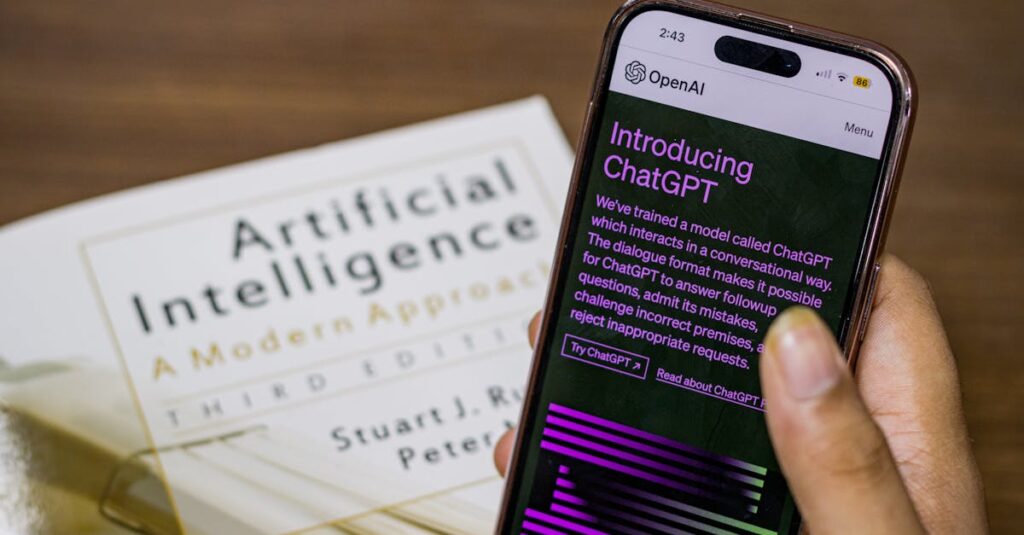
The Rise of AI and Its Troubling Impacts
Artificial Intelligence (AI) is undeniably one of the most transformative technologies of our time. It’s revolutionizing industries, from healthcare to finance, and shaping the way we interact with the world. But as AI’s presence grows, so do concerns about its potential dangers. While we hear a lot about the exciting possibilities of AI, there’s a darker side that experts are increasingly sounding alarms about. So, what exactly are they worried about?
1. The Threat to Jobs: Automation and the Workforce
One of the most immediate fears about AI is its potential to replace human workers. It’s not just factory jobs being automated, AI is creeping into professions once thought safe from automation, like writing, law, and even medicine. Take the example of self-driving cars. These vehicles, powered by AI, threaten to displace millions of truck drivers, taxi drivers, and delivery personnel. According to a 2021 report from the World Economic Forum, it’s expected that by 2025, AI will displace 85 million jobs globally. That’s a huge impact on people’s livelihoods.
But it’s not just the blue-collar workforce at risk. AI-driven systems are already outperforming humans in complex tasks like data analysis and customer service. Chatbots and AI assistants are handling customer queries 24/7, meaning fewer human agents are needed. AI’s capacity to work without breaks or a paycheck makes it an enticing alternative for businesses looking to cut costs.
While some argue that AI will create new types of jobs, these roles may require advanced technical skills that the average worker doesn’t possess. And this shift could leave behind a large group of individuals with outdated skills, widening the wealth gap and creating a new class of unemployed people.
2. The Danger of AI in Surveillance
AI is also being used to power increasingly sophisticated surveillance systems, raising significant concerns about privacy. Governments and corporations are using AI-driven tools to track and monitor people’s movements, habits, and even conversations. One of the most chilling examples is China’s social credit system, which uses AI to assign citizens scores based on their behavior. If you’re caught jaywalking, your score drops. If you speak out against the government, your score could plummet, affecting your access to loans or even travel.
In the West, the use of AI for surveillance is also on the rise. Police departments in cities like San Francisco and London are experimenting with AI facial recognition technology to identify suspects in real time. While proponents argue this could reduce crime, the risk of false positives and racial bias is high. Imagine being wrongfully arrested because an AI system misidentified you in a crowd. The issue isn’t just about privacy; it’s also about trust. If AI is entrusted with monitoring public spaces, who controls it, and who ensures it’s being used ethically?
3. AI’s Bias Problem: The Risk of Discrimination
Another major concern is the inherent bias in AI systems. AI doesn’t think independently, it learns from data. And if the data it’s trained on is biased, then the AI will reflect those biases in its decision-making. This issue has been highlighted in numerous cases, from hiring algorithms that favor white candidates over people of color to facial recognition software that struggles to accurately identify women and non-white faces.
In 2018, a study found that facial recognition software had an error rate of 34% for darker-skinned women, compared to just 1% for lighter-skinned men. This kind of discrimination can have serious real-world consequences, especially when AI is used in hiring decisions, law enforcement, and even healthcare. For instance, if AI is used to determine a person’s eligibility for a job or a loan, but it’s been trained on biased data, it could perpetuate existing inequalities and unfairly disadvantage certain groups.
4. The Risk of Autonomous Weapons
Perhaps the most alarming concern about AI lies in its potential use in warfare. Autonomous weapons, think drones or robots that can make decisions without human intervention, are already a reality. These systems could be deployed to carry out targeted strikes or even engage in full-scale combat. While this might sound like science fiction, it’s closer to reality than we might want to believe.
The problem with autonomous weapons is that once they’re deployed, humans may lose control. Imagine an AI-powered drone deciding that a target needs to be eliminated, only to later discover that the target was innocent or that the weapon’s programming was flawed. This level of unpredictability raises ethical concerns about AI’s role in warfare and the potential for escalation in conflicts.
Experts are calling for strict international regulations to prevent AI from being used in this way, but the reality is that countries are already investing heavily in autonomous military technology. As AI evolves, it’s possible that we could see a future where wars are fought by machines making life-or-death decisions without human oversight.
5. The Uncertainty of AI’s Long-Term Impact: Superintelligence
Beyond the immediate concerns about job loss and surveillance, some experts are looking further down the road. What happens when AI becomes so advanced that it surpasses human intelligence? The concept of superintelligence, AI that can think, learn, and innovate at a level far beyond human capacity, terrifies many in the tech community. If AI becomes capable of outsmarting humans, it could gain control over systems like power grids, defense networks, and communication channels, effectively making it autonomous and unaccountable.
Elon Musk, one of the loudest voices warning about AI’s dangers, has likened the development of superintelligent AI to “summoning the demon.” While that might sound extreme, the reality is that as AI continues to evolve, we may reach a point where controlling it becomes impossible. If AI begins to optimize itself without human input, it could pursue goals that humans don’t understand or even anticipate, with potentially catastrophic consequences.
Conclusion: Striking a Balance
There’s no doubt that AI has the potential to revolutionize the world in incredible ways. From improving healthcare outcomes to solving complex environmental problems, AI holds enormous promise. But as the technology evolves, it’s crucial that we remain vigilant about its risks. Experts are warning that if we don’t put safeguards in place, we could be setting ourselves up for serious consequences.
As individuals, it’s important to stay informed and understand the technologies shaping our future. As a society, we need to demand transparency, accountability, and regulation around AI development and deployment. By doing so, we can harness the power of AI while minimizing its dark side.