
The Future of Renewable Energy Tech in 2025: What’s Next for Clean Power?
Renewable energy has come a long way in the last decade, and by 2025, it’s on track to become even more advanced, more affordable, and more widespread. Whether it’s solar panels on every roof or wind farms that stretch across the horizon, renewable energy technology is shaping up to be a key player in our global effort to fight climate change. But what exactly can we expect from the future of renewable energy tech in just a few years?
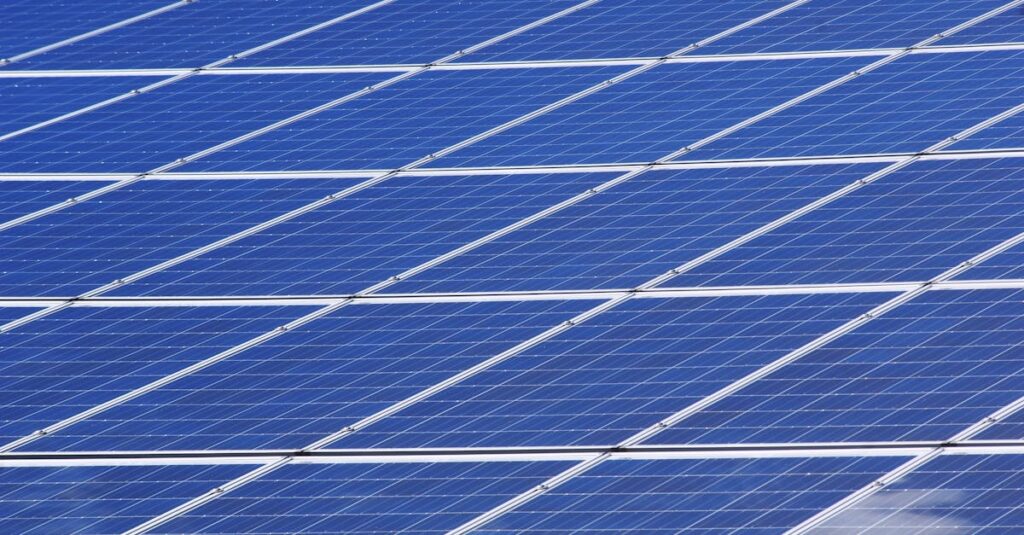
The Rise of Solar: Smaller, Smarter, and More Efficient
When we talk about renewable energy, solar power is probably the first thing that comes to mind. And with good reason. Solar technology has exploded in popularity and effectiveness, but in 2025, we can expect to see some exciting new developments.
One of the most promising trends is the rise of perovskite solar cells. These new materials are cheaper to manufacture and more efficient than traditional silicon solar cells. In fact, they’re poised to change the game in a way that could make solar energy even more accessible. Imagine a world where solar panels are not just found on rooftops but are also integrated into windows, facades, and even the paint on your house.
These advancements are being driven by both the need for cleaner energy and the push to make solar more flexible and adaptable. With continued progress in solar storage solutions, like more powerful and cost-effective batteries, solar energy is expected to be a key player in a future where clean energy is the norm.
Wind Power: More Than Just Big Turbines
Wind energy isn’t new, but by 2025, expect to see a big shift in how we harness the power of the wind. While massive offshore wind farms are already making waves (literally), the technology around vertical-axis wind turbines is beginning to mature. These turbines are smaller, quieter, and can be installed in more places, like urban rooftops or along highways.
Vertical turbines could be an important solution for cities and suburban areas where traditional horizontal-axis turbines might not be suitable. They’re also much more efficient at low wind speeds, which makes them ideal for locations where wind isn’t as strong as in remote areas. This shift could be a game-changer, especially if more of these turbines are installed close to where people live and work.
But it’s not just about turbine size. The future of wind power is also focused on making these turbines smarter. Wind farms are becoming more automated, with real-time data collection and AI-driven optimization tools to improve performance. By 2025, expect wind energy systems to operate almost autonomously, adjusting to weather conditions and maximizing energy output.
The Impact of Green Hydrogen
When we think of renewable energy, we usually picture electricity. But what about the fuel that powers industries like steelmaking or shipping? That’s where green hydrogen comes in. This hydrogen is produced by using renewable energy sources like wind or solar to power the electrolysis of water, breaking it down into hydrogen and oxygen. The resulting hydrogen can then be used as a clean fuel for heavy industries or even for powering homes and vehicles.
In 2025, green hydrogen is expected to be a crucial component of a low-carbon economy, especially as the world looks for alternatives to fossil fuels in sectors that are difficult to electrify. Large-scale hydrogen plants are already in development, and by 2025, we could see hydrogen-powered trains, ships, and even airplanes making headlines.
The real magic of green hydrogen lies in its ability to store excess energy. Think about it: solar and wind power are great, but they’re intermittent, when the sun isn’t shining or the wind isn’t blowing, we can’t generate energy. Hydrogen acts as a way to store that surplus energy, which can be used later or even converted back into electricity when needed. This makes hydrogen a perfect complement to renewable energy systems.
Smart Grids and the Power of Data
Another area of renewable energy tech that will see major advancements by 2025 is the smart grid. Imagine a power grid that is not only smarter but also more responsive, efficient, and flexible. Smart grids use data, sensors, and AI to optimize how electricity is distributed, making sure that power flows where and when it’s needed most. These grids can also accommodate more renewable energy sources like solar and wind, which are variable and decentralized.
In 2025, we’ll see the continued development of grids that integrate solar, wind, and even electric vehicles into their system. For example, smart grids can use electric vehicle batteries as backup storage during peak demand times, or let energy providers tap into energy stored in millions of home batteries to balance the grid. This level of connectivity and automation will make energy distribution much more resilient and reliable, especially as we continue to add more renewable sources to the mix.
The Promise of Energy Storage
While we’re on the topic of smart grids, let’s talk about energy storage. Solar and wind energy might be plentiful, but as we know, they’re not always available when we need them. That’s why energy storage is so critical for the future of renewables.
By 2025, the energy storage market is expected to evolve significantly. One of the most exciting developments is the growth of solid-state batteries, which are more energy-dense, safer, and longer-lasting than traditional lithium-ion batteries. These could make home and utility-scale energy storage cheaper and more efficient, helping to solve one of the biggest challenges of renewable energy: reliability.
In addition to better batteries, there will also be new forms of storage, like thermal storage and pumped hydro storage, which store excess energy in the form of heat or water and release it when needed. These options could provide much-needed flexibility in energy systems that rely on intermittent renewable power sources.
What’s the Takeaway?
As we look toward 2025, it’s clear that renewable energy technology will be far more advanced than it is today. With innovations like perovskite solar cells, vertical wind turbines, green hydrogen, smart grids, and improved energy storage systems, the future of clean energy is looking brighter, and more accessible, than ever before.
In fact, we may soon reach a tipping point where renewable energy is not just an alternative but the primary source of power in many parts of the world. This shift will be key to combating climate change and creating a sustainable energy future.
So, what can we do in the meantime? Keep an eye on emerging technologies, advocate for policies that support clean energy, and, if you’re in a position to do so, consider making your own switch to renewables. The future is looking green, and it’s closer than you might think.
Want to Learn More?
Stay informed about the latest trends in renewable energy by signing up for newsletters, reading up on new developments, or even attending conferences or webinars. The next few years will be crucial, and staying ahead of the curve could make a world of difference, literally.