
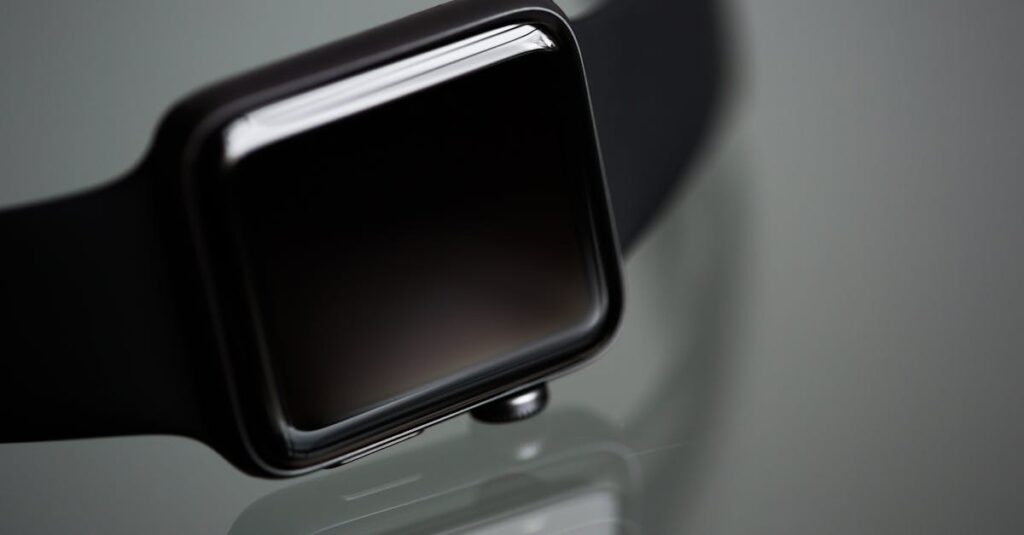
Introduction: The Tech-Infused Fitness Revolution
Remember when fitness tracking meant a simple pedometer on your shoe, or jotting down workouts in a notebook? That feels like ages ago, right? Today, wearable technology has taken over the fitness and health world in a way that’s hard to ignore. From heart rate monitors to sleep trackers, wearables are now a staple for anyone serious about their health. But what’s behind this surge in wearable tech, and why is it so popular?
It all comes down to one word: data. Wearable devices give us a window into our bodies that we’ve never had before. They measure everything from steps to stress levels, providing feedback that can make or break your fitness goals. So, let’s take a closer look at how this trend is reshaping personal health and fitness.
The Power of Tracking: Data-Driven Decisions
We all know how easy it is to make New Year’s resolutions, go to the gym more, eat healthier, get more sleep. But sticking with those goals? That’s a whole different ballgame. Enter wearable tech. These gadgets give us real-time, actionable data that can actually help us make healthier choices. It’s like having a personal coach right on your wrist, always pushing you to do better.
Take fitness trackers, for example. They don’t just count your steps, they track calories burned, monitor heart rate, and even tell you when you need a rest. Suddenly, you’re not guessing how hard you’re working; the device lays it all out for you. When you can see how much sleep you’re getting, or how many steps you’ve taken, it’s easier to stay on track. And when you see that “goal achieved” notification pop up? Well, that’s a little dopamine boost, isn’t it?
Tracking Your Fitness Journey
Remember the first time you hit 10,000 steps? For a moment, it felt like you conquered Mount Everest. Fitness trackers can push you to reach those milestones, and more importantly, they can give you insight into patterns over time. You might notice that you’re more active on weekends or that you sleep better after a workout. This kind of self-awareness can be a game-changer for those looking to improve their overall health.
But wearables aren’t just about the gym. Devices like smartwatches can help you track your water intake, remind you to move if you’ve been sedentary for too long, and even monitor your stress levels. All of this information helps you fine-tune your habits, leading to long-term, sustainable changes.
Health Monitoring: Beyond Fitness
Fitness trackers and smartwatches have evolved far beyond just counting steps. Wearables today play a significant role in health monitoring, especially for people with specific medical needs. Take the Apple Watch, for example. It can not only monitor heart rate but also detect irregularities, like an elevated heart rate or an abnormal rhythm, and alert the wearer. For those at risk of conditions like arrhythmia, this feature could be lifesaving.
In fact, medical-grade wearables are already helping people manage chronic conditions. Devices like continuous glucose monitors (CGMs) track blood sugar levels throughout the day, providing real-time alerts when levels get too high or low. This gives people with diabetes a new level of control over their health. Similarly, wearables that track sleep patterns can help those with sleep apnea by providing insights into how well they’re breathing during the night.
The Role of Wearables in Preventative Health
Prevention is often overlooked in health care, but wearables are changing that. By giving people access to consistent, personalized health data, these devices allow users to catch potential issues before they escalate. That’s a pretty revolutionary shift in the way we think about personal health. Instead of waiting for a doctor’s visit or feeling “off,” we can catch small health changes early, making it easier to prevent bigger problems down the line.
Even fitness enthusiasts who don’t have a specific health condition can benefit from wearables. For example, smartwatches with ECG features are helping people identify heart issues early, while stress monitors can encourage mindfulness practices that reduce long-term health risks.
The Social Aspect: Fitness, Gamification, and Community
Now, let’s talk about the social side of wearables. Fitness isn’t just about the individual; it’s also about community. Many wearable tech devices come with built-in social features, allowing users to share their progress with friends or challenge them to fitness goals. A little healthy competition can go a long way in keeping us motivated, don’t you think?
There’s something satisfying about competing with friends on a steps leaderboard or sharing workout achievements on social media. Some platforms even integrate with wearables, allowing users to join virtual fitness classes or participate in global challenges. For many, these features provide the extra push they need to keep moving, even on days when motivation is low.
Gamification: Turning Fitness Into a Game
Wearables have also introduced the concept of gamification into fitness. Instead of just tracking data, many devices make fitness a game. You earn badges for completing challenges, level up for achieving milestones, and unlock rewards as you go. It’s no longer just about working out, it’s about earning those digital trophies and hitting personal records.
Think of it this way: wearables turn fitness into a game you can win. And who doesn’t love a little friendly competition, right?
The Future of Wearable Tech in Health and Fitness
So, where is all this headed? Wearable tech isn’t just a passing trend; it’s the future of fitness and health. As technology advances, we’re likely to see even more sophisticated sensors that track deeper health metrics. In the not-too-distant future, wearables might even be able to predict health issues before they happen, thanks to artificial intelligence and advanced analytics.
In the meantime, wearables will continue to make fitness more accessible, more personalized, and even more fun. As these devices become more integrated into our daily lives, expect to see them become indispensable parts of our health journeys.
The Takeaway: Embrace Your Tech, but Stay Balanced
While wearable tech can help you improve your fitness and health, it’s crucial to remember that technology is just one tool in your wellness toolbox. Don’t let it replace the importance of listening to your body or consulting with healthcare professionals when necessary. But if you’re looking for a way to stay on track with your fitness goals and gain deeper insights into your health, wearables might just be the extra boost you need.
So, the next time you strap on that fitness tracker, remember: it’s not just about counting steps, it’s about understanding your body and taking control of your health.